
Start here
Not sure what you need?
Book a discovery call. We look at your market, competitors, and site, then recommend where to start.
Book a discovery callSearch + AI Visibility
Monthly plans to show up on Google, Maps, and AI tools. Every plan starts with the Search Foundation Build.
Websites
One-time builds with a written scope, or a managed subscription with hosting and maintenance included.
Maps & AI Projects
One-time setup, recovery, and audits, with or without a monthly plan.
Ads & Social
Monthly programs. Ad spend is always paid directly by you.
CRM & AI Agents
The CRM is $199/mo on its own, or included with Search plans, AI agents, and the Managed Website Subscription. Not offered to healthcare practices. AI agents work with or without a Search plan. Usage charges are billed separately.
Strategy & Development
Plan first, or scope a custom build. Fees credit toward qualifying follow-on work.
Not sure what you need?
Book a discovery call. We look at your market, competitors, and site, then recommend where to start.
Book a discovery callMarketing for Therapy & Mental Health
Get the listing and pages that help the right people find you, feel understood and reach out.
Book a Discovery CallPeople looking for a therapist often search while they are already carrying a lot, and they read carefully before they reach out. Fit decides it: who you help, how you work, what it costs and how easy the first step feels.
Three problems that keep good therapists hard to find, and what you get for each.
Directories show you in a long grid next to every clinician in the area. Someone who already feels overwhelmed may stop after the first few profiles.
You get: Your own listing and pages, so people can find you directly.
If your site says you help everyone, people cannot tell whether you are right for them. Your consult time goes to inquiries you cannot serve.
You get: A page for each specialty and the people you help most.
Ethics codes limit client testimonials, so you cannot market like a shop. Trust has to come from your words, your credentials and how clearly you explain things.
You get: A warm about page, clear fees and answers to first-session questions.
Reaching out to a therapist can take courage, and your listing is often where someone decides whether to try. Here is what they look at, and what you get for each part.
Example listing, for illustration.
People read closely and notice how a practice answers, without needing details.
You get: Privacy-safe review replies that never confirm who is a client.
People want to see the person they will talk to, and the room where they will sit.
You get: Real photos of you and your office, never stock faces.
Evening times and online sessions can decide it for someone with a full workday.
You get: Hours, online sessions and office details set right.
Before they write, people want to know what a session costs, whether you take insurance and who you help.
You get: Pages on your specialties, fees and what a first session is like.
For many people, the hardest part is the first message. A short, simple request form helps.
You get: A consultation button that opens your own booking system.
Estimated U.S. search numbers from Google Ads data for the 12 months measured. Here is what it means for your practice.
Many people look for help close to home, and searches came in every month measured. Your own listing lets them find you without a directory in between.
Each ad visit costs about that much, and health ads carry extra limits. Visits from your own pages have no click cost.
Searches were highest in early fall. Pages that are ready all year meet people whenever they are ready.
Many people search for a specific kind of help. A page for each specialty meets them there.
Source: Google Ads search volume and cost per click via DataForSEO, United States, September 2025 to August 2026, checked October 8, 2026. Search volume and cost per click are estimates for the whole U.S., not counts of customers in your area or a quote for your ads.
An ad has a few short lines to work with, and therapy ads come with extra limits. Pages for your specialties and your city let people see whether you could be right for them before they reach out, with no cost per click.
Clicks stop the day the budget stops
Monthly work on your listing and pages, measured and reported
Your own pages give people room to judge the fit before they reach out.
You approve every page before it goes live, and no form asks for clinical details. Results often take 3 to 6 months or longer.
Results often take three to six months or longer. Nothing here is a ranking guarantee.
Shown for the Visible plan. Healthcare businesses get no review requests, texting or CRM.
Google shows different results a few streets apart. Your plan checks your rank from points all across your service area. Shown: a sample therapy practice in St. Petersburg.
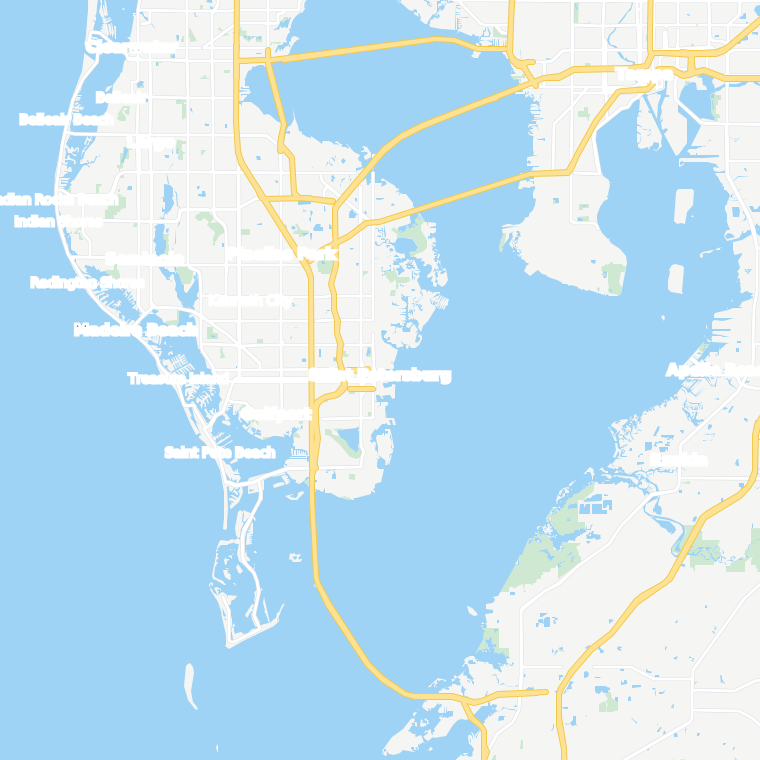 Map data © OpenStreetMap contributors
Sample report, not a client result or a promise. Results often take 3 to 6 months or longer.
Map Pack rankings, service-area pages, entity records, and reviews, reported on leads.
Your profile and four core listings set up and cleaned up. Google decides verification and where you appear.
Custom, conversion-focused sites that are SEO-ready on day one.
Google Ads that defend your brand and fill gaps while SEO compounds.
Help ChatGPT, Perplexity, and Google AI Overviews find and describe you correctly.
If you see clients in person, your Google Business Profile, with the right categories and hours. Then a site that says who you help, what a session costs and how to take the first step. Your foundation build covers both, though no ranking is guaranteed.
Usually not. A local profile needs a real office where you see clients in person, or a business that travels to clients. Online sessions belong on your website instead: a telehealth page, the states where you are licensed and how to book. Your site can show up in search for online therapy without a profile.
Ads bring visits while you pay, at an estimated U.S. average of $23 a click for "therapist near me", and health ads carry extra limits. SEO builds inquiries with no cost per click, on a slower timeline. Many practices keep a directory profile as a supplement while their own pages grow.
A cleaner profile and clearer pages help right away. Ranking specialty pages like anxiety or couples therapy in your city often takes 3 to 6 months or longer. The six-month term is a contract period, not a promise of results.
Visible is $1,300 a month for one location and one main market, plus a $1,200 one-time Search Foundation Build. The first term is six months, then month-to-month. Larger service areas start at $2,595 a month. The price includes a check of every page, post, and review reply against healthcare advertising and privacy rules before it goes live; your compliance lead gives the final approval.
No. We take one client per industry per service area, and the discovery call confirms the area yours covers. It limits who we work with; it does not guarantee you outrank other practices.
Yes, within your ethics code and state licensing rules. Codes commonly bar asking clients for testimonials, overstating credentials or promising outcomes. Describing who you help, how you work and how to reach you is common and accepted.
In many cases, yes. People want to know the cost before they reach out, and a clear rate or range cuts down on wrong-fit inquiries. Say whether you take insurance, provide superbills or offer a sliding scale.
Agency Crate does not handle client data or contact your clients. Review replies stay general and never confirm anyone is a client, and forms do not ask for clinical details. Your practice handles client records, and you approve everything before it goes live.
One free call. We look at your market, your competitors, and tell you exactly what we would do, whether you hire us or not.
Book a Discovery Call
 West Pasco Pinellas Business Association (WPBA)
Let Clients Hear Your Voice Before They Reach Out
Choosing a therapist is personal. People want a sense of how you talk and who you help before they write to you.
Where your customers look
What the plan covers
Dashed channels are advice. The same posts can be reused there.
See the social content planNo testimonials to lean on
Ethics codes limit testimonials, so trust has to come from you.
You get: Post ideas in your own voice on the concerns you treat most. Never client stories.
Posts for everyone, inquiries that do not fit
Broad posts bring broad inquiries. Specific ones bring the people you are trained to help.
You get: A plan built around your specialties and the clients you help most.
Fees and first steps left unsaid
Many people never reach out because they do not know the cost or what a first session is like.
You get: Plain posts on fees, online sessions and the first appointment.
Social Content Direction is $800/mo, or $700/mo with Search Competitive or Leader. The plan covers your Google profile, Facebook, Instagram and website. We plan and direct. You shoot and post. The other channels listed are where your customers also look. They are not part of the plan, and the same posts can be reused there. No brief puts a patient in frame or confirms that anyone is a client. Your compliance lead approves every post before it goes up. Posts point people to your contact page and never invite clinical questions by message.